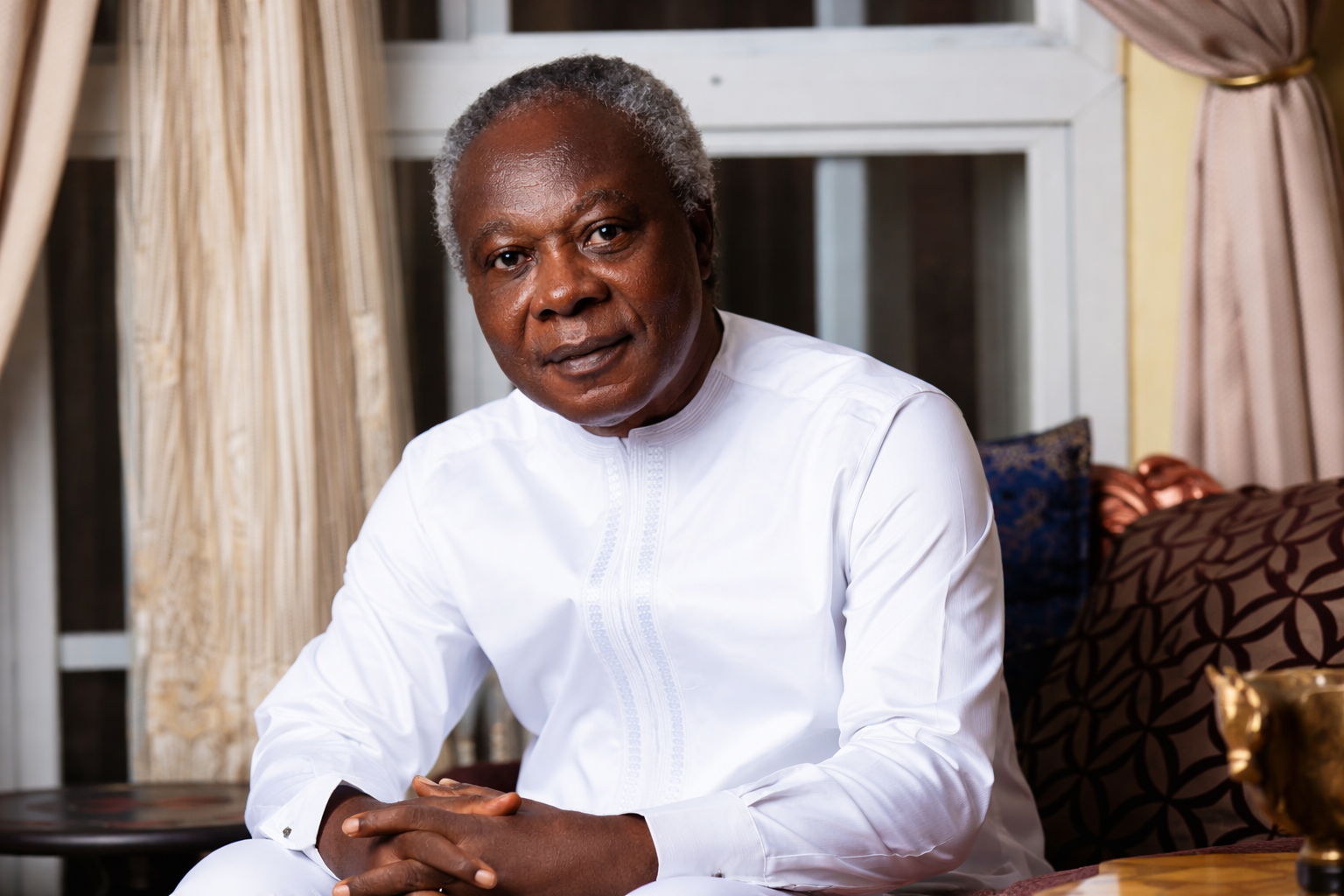
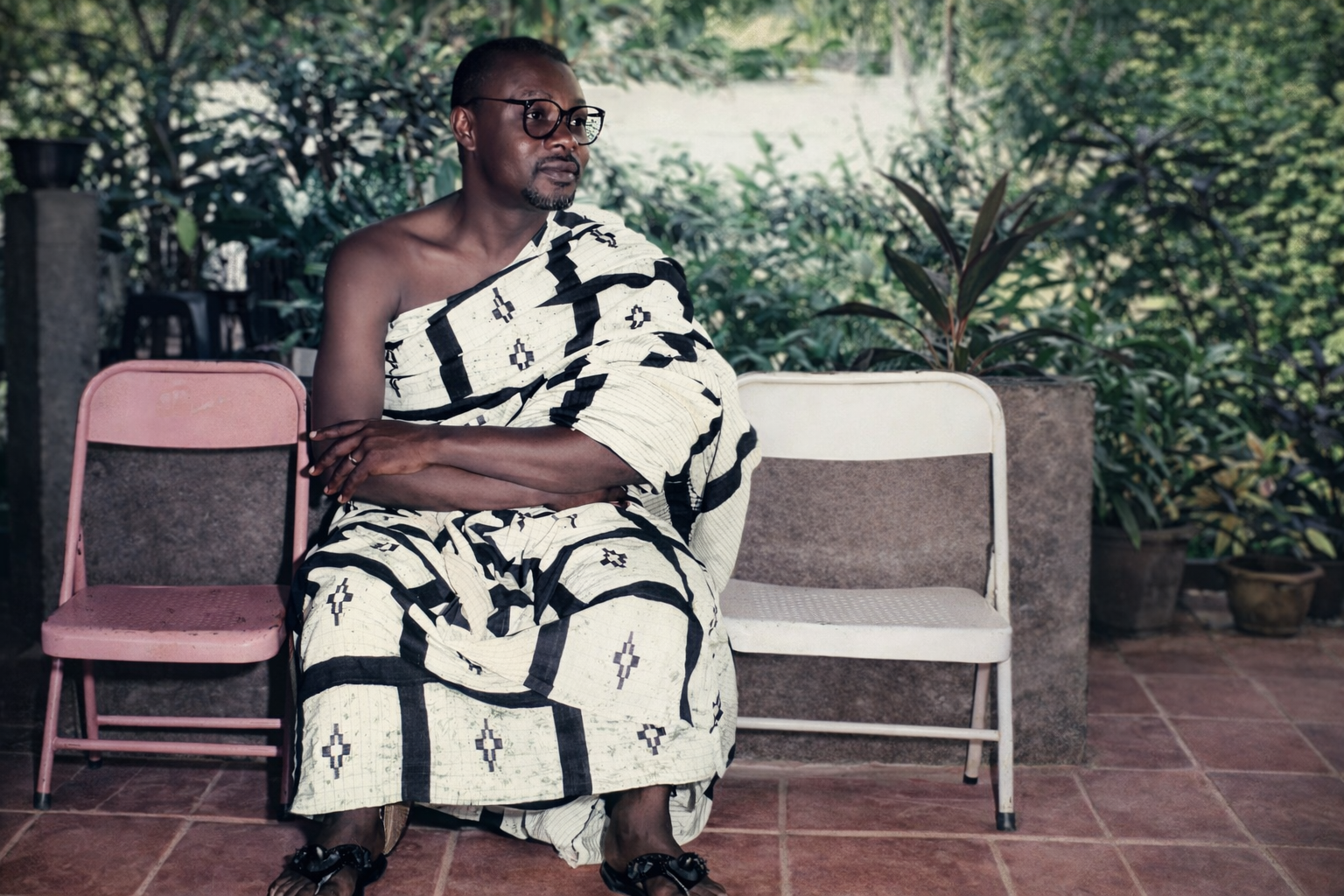
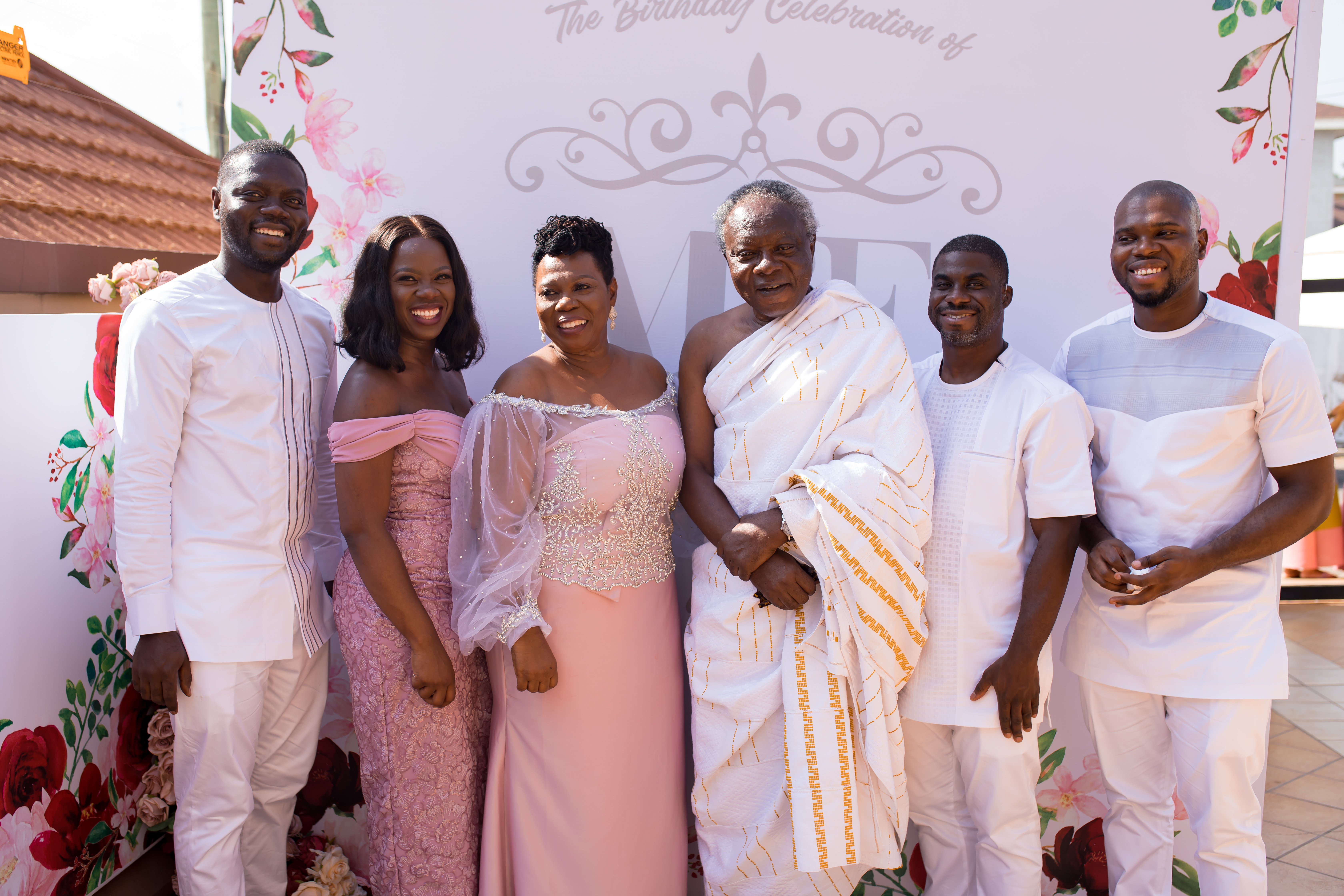
Mr. Ekow De-graft Duncan lived a life of conviction, service, and principled leadership that touched his family, his community, and the nation of Ghana. His journey from a teacher and civil servant to entrepreneur, political thinker, and party leader reflected a consistent commitment to justice, dignity, and opportunity for ordinary Ghanaians.
Early life and education
Ekow De-graft Duncan was the first born of Mr. David De-graft Duncan of the Adwenadze Idun family of Cape Coast and Madam Abena Nyameyɛ, affectionately known as Aunty Deus, of Nkawie in the Atwima Nwabiagya District of the Ashanti Region, both of blessed memory. He was named Ekow Sikayɛna after his paternal grandfather, David De-graft Duncan Snr., a name lovingly used by his mother and close family.
He began his early education at the Nkawie Anglican Mission School, where his father, “Uncle DD,” served as a teacher before a series of transfers eventually brought the family to Accra. In Accra, he attended Penworth Kindergarten in 1959 when it was established as a day school - a boarding facility was added in 1960. His classmates remember him as being very jovial and well liked but sometimes quite naughty. He sat for the Common Entrance Examination in 1962 and gained admission to Adisadel College, completing his Fifth Form in 1967. After Adisadel, he completed his Sixth Form at Apam Secondary School and continued his education at the University of Ghana where he graduated with a Bachelor of Arts degree in Political Science and Philosophy in 1973.
Professional and Entrepreneurial life
After University, Ekow served his country by undertaking his National Service as a Secondary School teacher in Zuarungu in the Upper East Region, pouring his time and energy into young people far from his coastal roots. During this posting, he encountered the socialist ideals of Dr. Kwame Nkrumah in a serious and sustained way, and it was there that his own political convictions began to take shape around questions of justice, dignity, and the role of the state in uplifting ordinary Ghanaians.
On completion, he relocated to Accra to work as an Assistant Commercial Officer at the Ministry of Trade and Tourism (later Trade and Industry), a position he held from October 1974 to May 1979, gaining first-hand insight into Ghana’s commercial and industrial landscape.
With courage and a strong entrepreneurial spirit, he later resigned from the civil service to start his own businesses. He established Fingerlickin, a vibrant restaurant in Osu that grew out of a vision he shared with his wife, Wilhelmina, a self-trained caterer who later became a professionally trained chef; ventured into the foreign exchange business with Unitrust Forex Bureau; and, together with his beloved wife, founded Echoduck Agencies Ltd in July 1982. Together they grew the company into an import–export firm trading in pharmaceuticals, spices, beverages, automotive parts, and other goods that contributed to Ghana’s growing private sector.
Political Life and National Service
An ardent social democrat and committed Nkrumaist, Mr. Duncan devoted a significant part of his life to the Convention People’s Party (CPP), wholeheartedly embracing its principles of social justice, self-determination, and people-centered development.Over the years, he served the party in several leadership roles, including Director of Operations, Shadow Cabinet Member for Political Affairs, member of the Central Committee, and from March 2011 until his passing, Chairman of the Political Committee.
As Director of Operations, he coordinated campaign activities for the 2008 elections, working to build a clear chain of command and energize regional and constituency branches as instruments of engagement with the electorate. He consistently argued that Ghana’s economic policy must go beyond narrow stabilization to harmonize growth, industrialization, food production, and trade, insisting that a CPP government would strengthen the real sectors of the economy and ensure Ghana “would not be a beggar nation.”
Mr. Duncan also invested deeply in the party’s youth, encouraging young Nkrumaists to study the history and principles of the CPP and to see politics not as a path to personal gain but as a vocation of service and national production. In his public addresses and internal party work, he urged the younger generation to carry forward Dr. Kwame Nkrumah’s unfinished project of building an industrial, self-reliant Ghana—organising, campaigning, and working in their own professions so that the wealth of the country would be created and shared by its own citizens.
Literary Works and Vision for Ghana
Beyond speeches and organizational work, Mr. Duncan wrote articles and opinion pieces on national politics, the economy and governance that appeared in Ghanaian media. In these writings he articulated a clear vision: a productive, self-reliant Ghana that rejected dependency, protected national resources, and used state power to promote broad-based industrial and agricultural development rather than speculative wealth.
In addition to his own writing, he contributed to the works of other scholars who shared his Nkrumaist ideals. He served as a reviewer and key advisor for the book Developmental Challenges in Africa: The Nkrumaist Alternative by Dr. Adolf Lutterodt, providing a critical review of the manuscript to ensure its alignment with Nkrumaist ideology and historical accuracy. At the book’s launch in September 2024, upon his return from the United States where he had been undergoing treatment for prostate cancer, Ekow was recognized as one of the significant contributors who had vetted the work so that it might serve as a practical guide for future African leadership.
He always argued in his writings that the failures of revolving stabilization programmes, rising unemployment, and currency depreciation were symptoms of deeper structural problems. He called for a return to Nkrumaist principles—strategic public investment, support for local industry, and a fair balance between stabilization and growth. He believed firmly that the CPP should serve as an arbiter of peace in Ghana’s polarized politics, respecting independent state institutions, reducing violent partisan competition, and building a democratic order rooted in social justice, dignity, and genuine national independence.
Faith, Personality and Community life
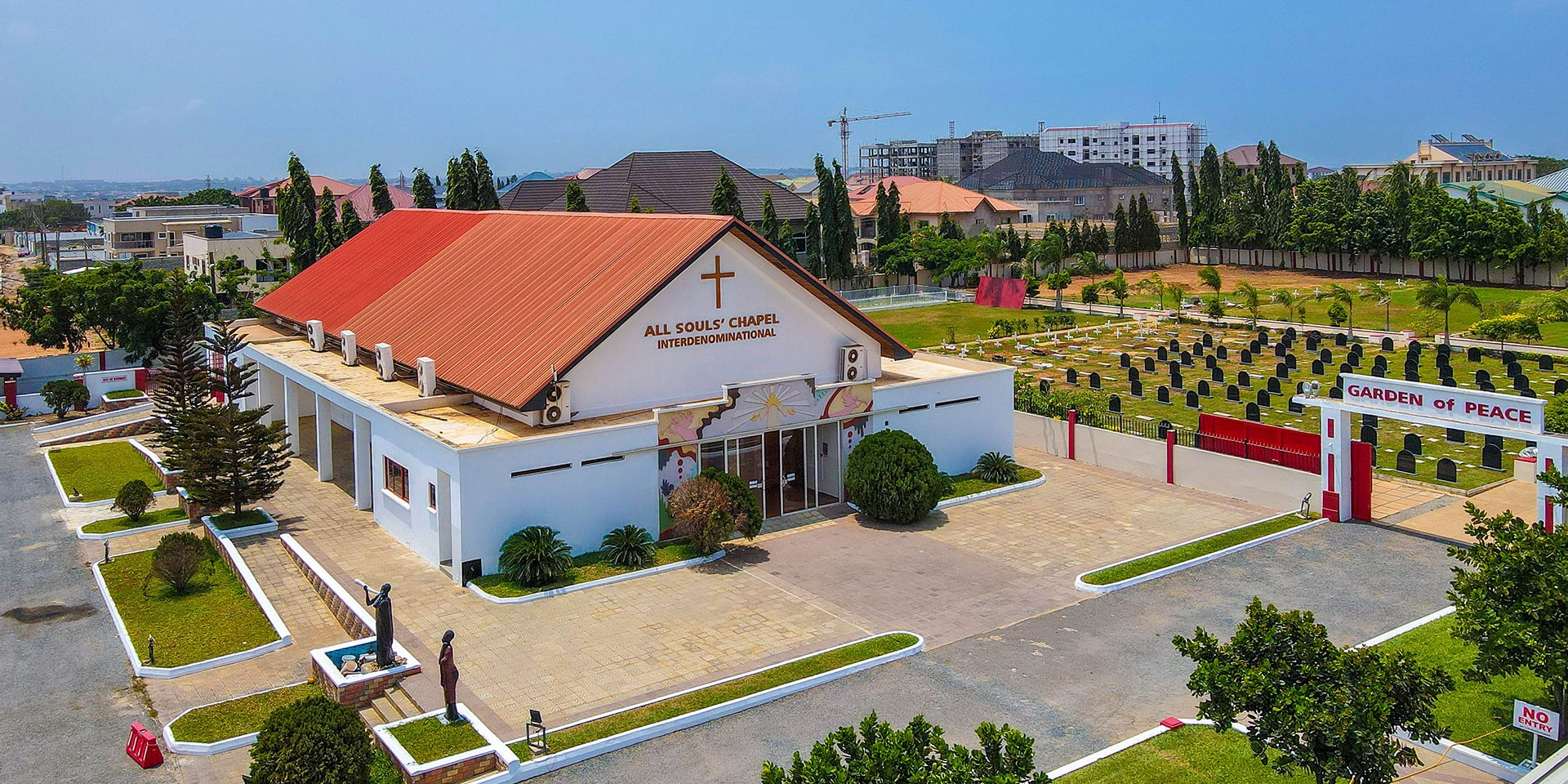
In his young adulthood, Mr. Duncan accepted Jesus Christ as his personal Saviour and was baptized by immersion at the Church of Pentecost, a decision that shaped his outlook, humility, and compassion. With the continued support of his faith by his wife, Mina, he rededicated his life to Christ at the International Central Gospel Church (ICGC), Adenta. He drew strength from scripture and prayer, finding in his faith a moral compass for both private life and public engagement.
Those who knew him remember a man of generosity, humour, and quiet firmness, who gave his time, talent, and resources to support family, friends, colleagues, and political comrades. He loved football and healthy living, joining a keep-fit club known as the Scarp Rangers and playing regularly on weekends. He supported the Arts by being a patron of local musicians such as The Roots Anabo Band and The Pan African Orchestra in the 1980s.
His friends, and all who crossed his path, remember him as fun-loving, open, and deeply welcoming—someone who always made room for others. A visit from friends was never just a visit; it was an excuse for laughter, music, and often a party. When he inherited his father’s Mercedes-Benz—a true lemon of a car—he delighted in piling friends into it wherever he went. Bearing the letters “AG” in the license plate number, the car and his personality earned him the playful nickname “Accra Governor ”. When the faithful but stubborn car finally gave out at Kwame Nkrumah Circle, it was those friends who stood by him, pushing it off the road together. For him, friendships were not for a season, but for a lifetime.
He was also an avid reader and a great believer in the power of the written word, treating books as daily bread for the mind and spirit. When any of his children would return home for a visit, his only request was a new book. On any given day one could find him in his lush garden with a book in hand, and when he later moved to the Aburi mountains he often greeted the sunrise with a mug of coffee and a volume on his lap, surrounded by mist and birdsong. He read widely—history, politics, economics, philosophy —but especially loved works that probed how societies rise, falter, and renew themselves, forever searching for ideas that might help Ghana chart a better course. To his children and grandchildren, he taught that the mind was a person’s greatest asset, telling his daughter on one of their morning walks that people would pay for thoughtful ideas. For this reason, he believed that the mind must be constantly fed, examined, and disciplined rather than dulled by frivolity or wasted time.
Despite a naturally stoic and serious exterior, to his family and closest friends he was a warm, playful, and deeply generous presence - quick with a joke and an infectious laugh. He loved a good party and was never shy to show off his delightfully awful dance moves whenever a favourite song came on, to the endless amusement of his children and loved ones. His children remember him as loving and affectionate, a father whose empathy moved him to lend a helping hand whenever he could, and who, even while aware of his own imperfections, devoted himself to living each day with greater goodness, integrity, and moral courage. He taught his children, grandchildren,nephews, and nieces whenever he could that a life is truly well lived only when it is devoted to serving others.
Family and Personal Legacy
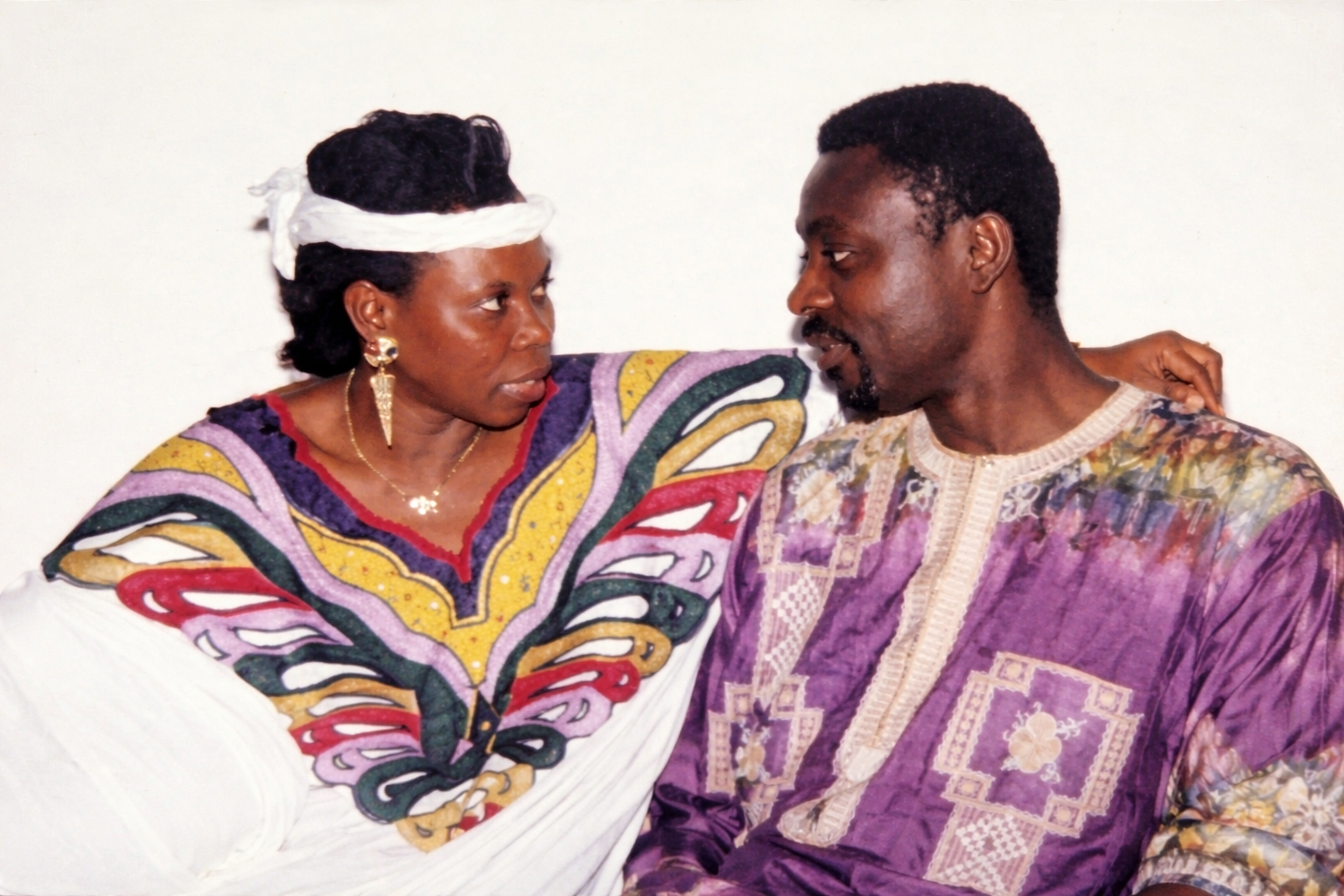
Family stood at the center of Mr. Duncan’s world; as the first child, he felt a deep responsibility for both his immediate and extended family and worked tirelessly to support them. In late 1973, while visiting his friend Reverend Seth Addy of the Lutheran Church, Ekow Duncan was introduced to Wilhelmina Hagan Brown. As the story is fondly told, the young Ekow asked her to prepare a meal for himself and Seth. It was a simple request, but one that left a lasting impression—he never forgot her after that day.
Their paths crossed again in 1974 in Accra, when Mina arrived at the University of Ghana to pursue a degree in Librarianship Studies. This time, their connection deepened, and they began courting that same year. In 1976, Ekow Duncan married Wilhelmina Hagan-Brown, whom he lovingly called Naana or Mummy, in a civil ceremony. Four years later, in 1980, they were blessed with their first child, Kojo Gyekye, followed by Nana Afriyie in 1981, Kobina Sikayena in 1987, and Kweku Amoago in 1988, building a close-knit family grounded in love, discipline, and mutual respect.
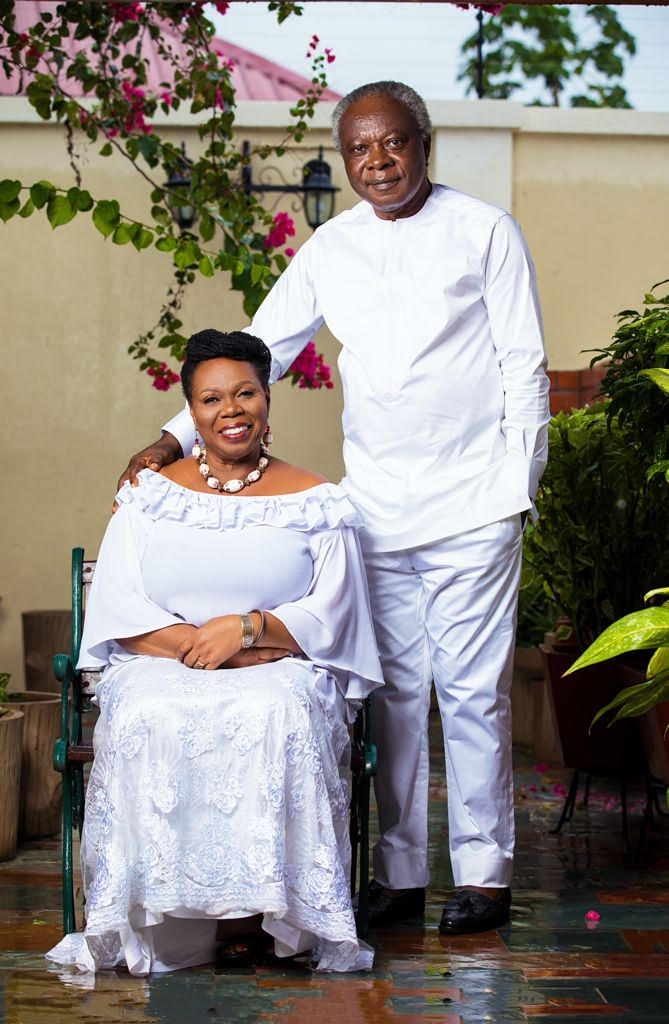
Wilhelmina and Ekow shared 49 years of marriage, weathering the joys and storms of life and marriage together, including his illness, with courage, faith, and unwavering devotion until his passing in 2025. He is survived by his cherished wife, their children, his grandchildren, siblings, and relatives who carry forward his values of integrity, courage, and service, as well as by comrades in the CPP and across Ghanaian society who were inspired by his steadfast commitment to principle.
On December 11th 2025, Ekow died peacefully at home surrounded by people he loved dearly and who loved him. Though his passing brings profound sorrow, his life remains a powerful testimony to the possibilities of a citizen who uses intellect, conviction, and hard work in the service of God, family, and country. His dream of a just, confident, and self-reliant Ghana continues to light the path for those who follow, especially his three granddaughters whom he doted on without reservation, Zoe, Willa and Joy.